


Southeast Asia Region
The Southeast Asia Region (SEAR) comprises 10 Member States. The current SEAR Member States are: Bangladesh, Bhutan, Democratic People’s Republic of Korea (DPR Korea), India, Maldives, Myanmar, Nepal, Sri Lanka, Thailand, and Timor-Leste. Indonesia’s move was driven by strategic alignments, including geographical proximity to WPRO members (e.g., Malaysia, Papua New Guinea, Philippines) and a focus on innovation, data governance, and pandemic preparedness in collaboration with advanced economies like Japan, South Korea, and Australia.
Population
As of the latest WHO estimates, SEAR is home to nearly 2 billion people—about a quarter of the global population—even after Indonesia’s reassignment (Indonesia’s population is around 275 million, so the adjustment brings SEAR closer to 1.75 billion). This makes it one of the most populous WHO regions, not merely a tenth of the world’s population (global population is approximately 8.1 billion as of 2026).
Suicide Burden
More recent WHO data (as of 2025) indicates around 208,000 annual suicide deaths in SEAR, representing roughly 29% of the global total (~720,000). The reassignment of Indonesia may slightly adjust this figure downward for SEAR, as Indonesia has a notable suicide rate (around 2.4 per 100,000, contributing thousands of cases annually), but comprehensive post-reassignment regional breakdowns are still emerging. SEAR remains a high-burden area for suicides, particularly due to factors like pesticide access in rural settings.
Population: As of the latest WHO estimates, SEAR is home to nearly 2 billion people—about a quarter of the global population—even after Indonesia’s reassignment (Indonesia’s population is around 275 million, so the adjustment brings SEAR closer to 1.75 billion). This makes it one of the most populous WHO regions, not merely a tenth of the world’s population (global population is approximately 8.1 billion as of 2026).
Cultural and Ethnic Diversity
The region is indeed one of the world’s most diverse, with over 1,000 native languages spoken. However, with Indonesia’s exit, “Malay” (primarily associated with Indonesia in this context) should be de-emphasised from the predominant list for SEAR. The other languages you mentioned (e.g., Hindi, Tamil, Sinhala, Dzongkha, Burmese, Bangla, Dhivehi, Nepali, Thai, Korean, Tetum) remain relevant across the current 10 countries.
Suicide remains a significant public health concern in the World Health Organization South-East Asia Region (SEAR), which continues to bear a disproportionately high burden of suicide deaths relative to the global context. The most recent estimates indicate that nearly 208,000 people in SEAR die by suicide each year, a figure that underscores the persistent scale of the problem despite ongoing interventions and improved data systems.
This ongoing burden occurs against a backdrop of rising mental health challenges across the region. An estimated 289 million people live with mental, neurological, substance use, or self-harm conditions, reflecting a substantial and largely unmet need for mental health care and support services. Additionally, recent reporting suggests that over 13% of the SEAR population experiences mental health conditions, highlighting the intersection between broader mental health burden and suicide risk.
A notable step forward in understanding these patterns has been the launch of the WHO South-East Asia Mental, Neurological, Substance Use, and Self-harm (MNSS) Dashboard in 2025. This platform provides policymakers, researchers, and health planners with disaggregated, real-time data on suicide and related conditions by age, gender, and country, enabling more effective planning and evaluation of suicide prevention strategies.
Despite data improvements, SEAR continues to face substantial challenges. Historically, suicide in the region has been under-researched, with many countries lacking comprehensive, reliable suicide statistics and effective national suicide prevention strategies. Persistent stigma, limited mental health literacy, and low investment in mental health services remain major barriers to care and early intervention.
The demographic and social patterns of suicide in the region also reflect important characteristics that differ from those in many Western countries. For instance, previous research has identified a lower male-to-female suicide ratio and a substantial proportion of suicides linked to pesticide ingestion, especially in rural agricultural areas, although updated systematic data at the regional level remain limited. Moreover, suicide affects people of all ages, but there is growing concern about youth and young adult suicides, with some areas reporting a rising incidence among students and younger populations.
Efforts to prevent suicide in SEAR have expanded in recent years. WHO has promoted the LIVE LIFE approach, a package of four evidence-based interventions that prioritise restricting access to common means of suicide, fostering responsible media reporting, building socio-emotional skills among young people, and ensuring early identification and support for those at risk. Implementation of these strategies is supported by foundational pillars such as situation analysis, multisectoral collaboration, awareness raising, capacity building, financing, and monitoring and evaluation.
Some countries in the region have also begun to adopt national suicide prevention strategies, and there are localised efforts to improve access to care and crisis support services. For example, India’s 24/7 Tele-Manas national mental health helpline has received increasing numbers of suicide-related distress calls, indicating both an ongoing need and growing public engagement with mental health support services.
Regional Aim
To establish a cross-regional collaboration of experts supporting a comprehensive, strategic approach to suicide prevention in each nation in the Southeast Asia Region.
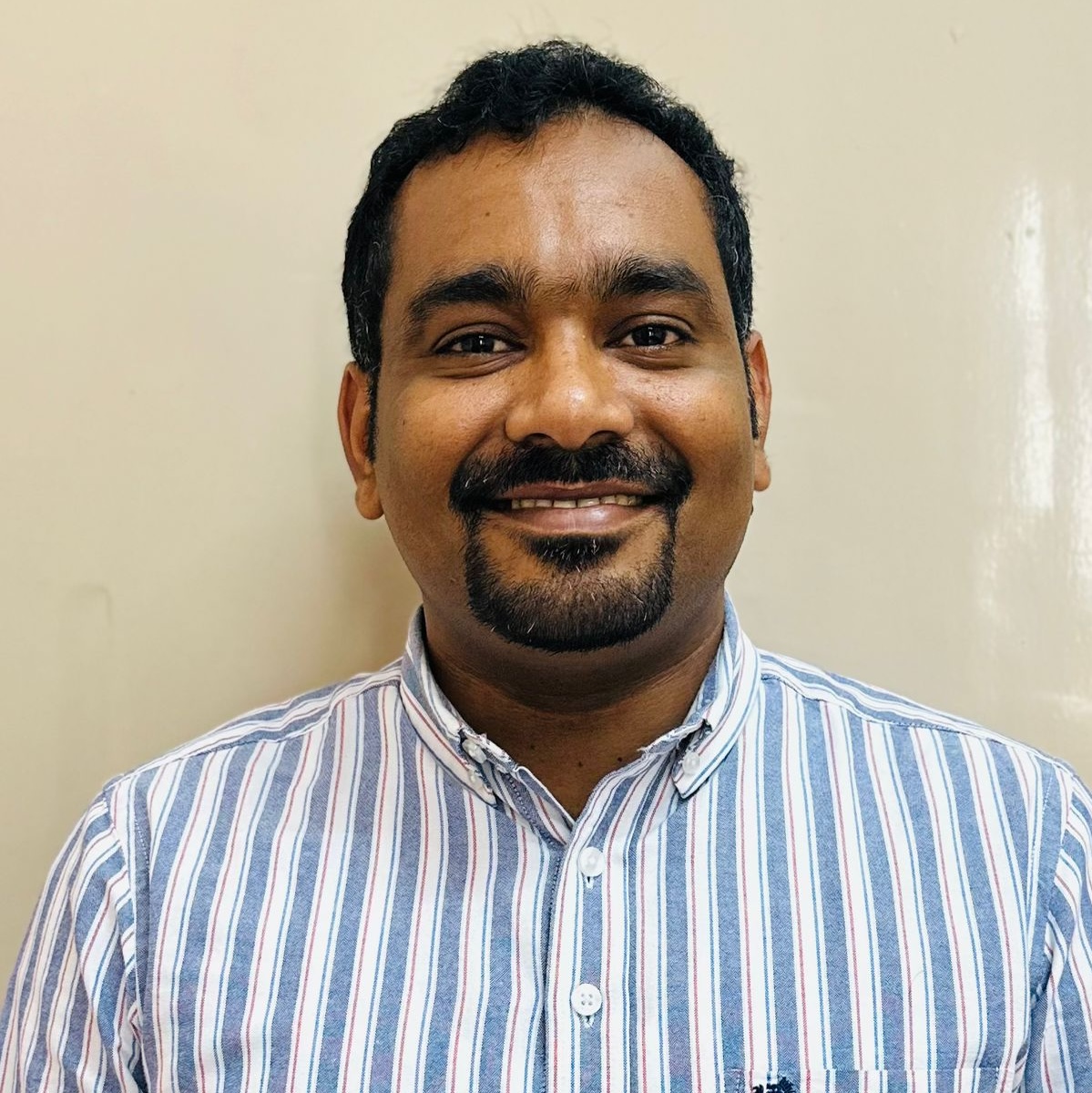
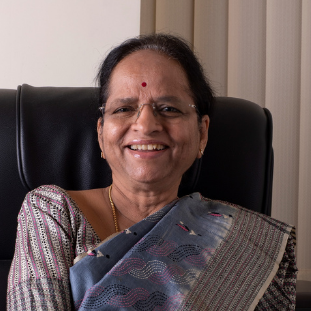
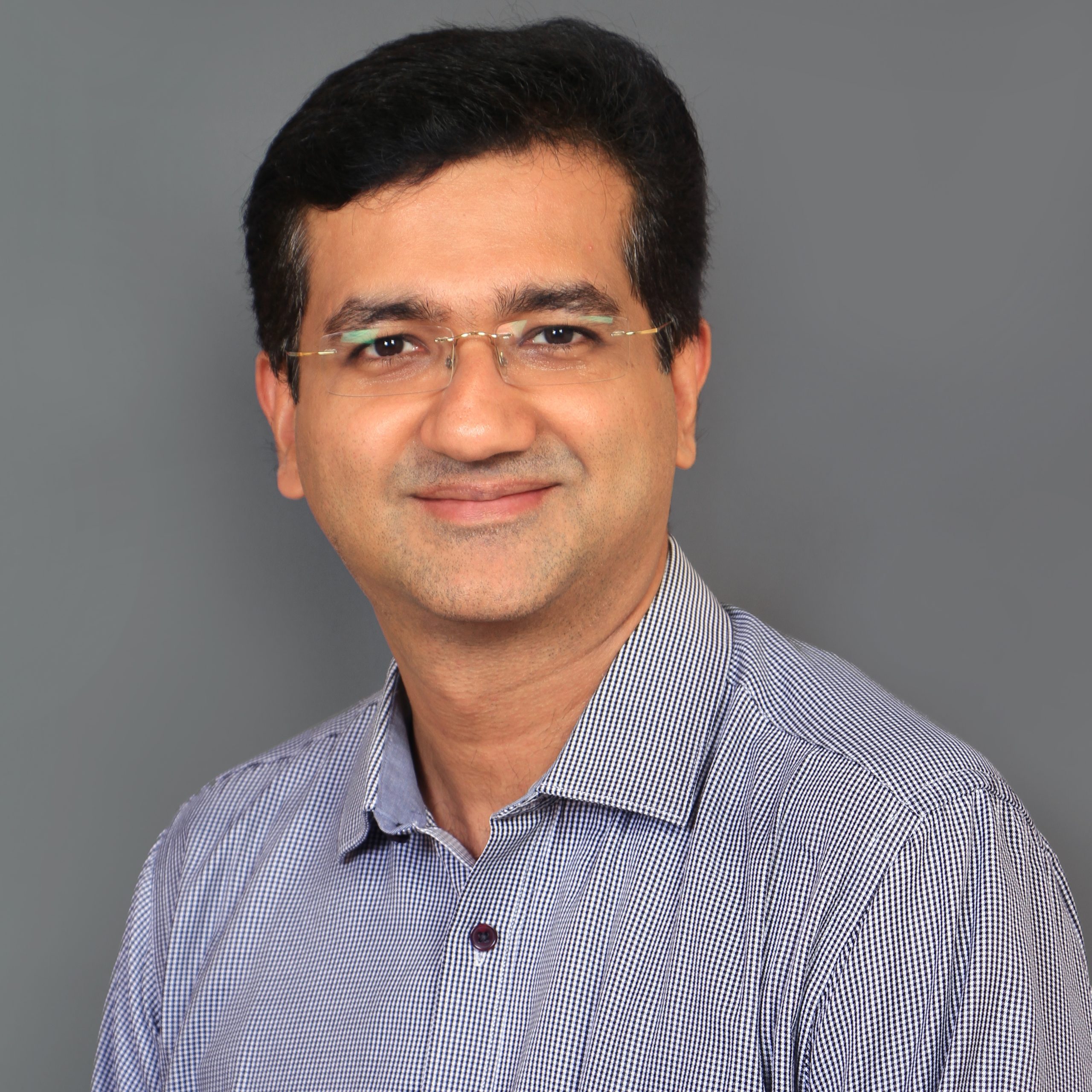
Our Regional Coordinator and Regional Assistant are dedicated leaders who combine local insight, expertise, and collaboration to drive impactful suicide prevention efforts across the Africa region, and can be contacted at globalinitiative@iasp.info.
Regional Coordinators
Regional Officers

Publications
Research priorities for suicide prevention in Southeast Asia
This paper focuses on suicide prevention research in South Asia and aims to bring together diverse regional perspectives and evidence. The study is led by Professor Rakhi Dandona and Professor Murad Khan.